Inhaltsverzeichnis


Leverage the City Portal for Employers ▶️ Boost Local Presence ✓ Streamline Employee Services ✓ Enhance Site Appeal ✓ Connect Digitally Now!
STADTGUTSCHEINE – REGIONAL HERO
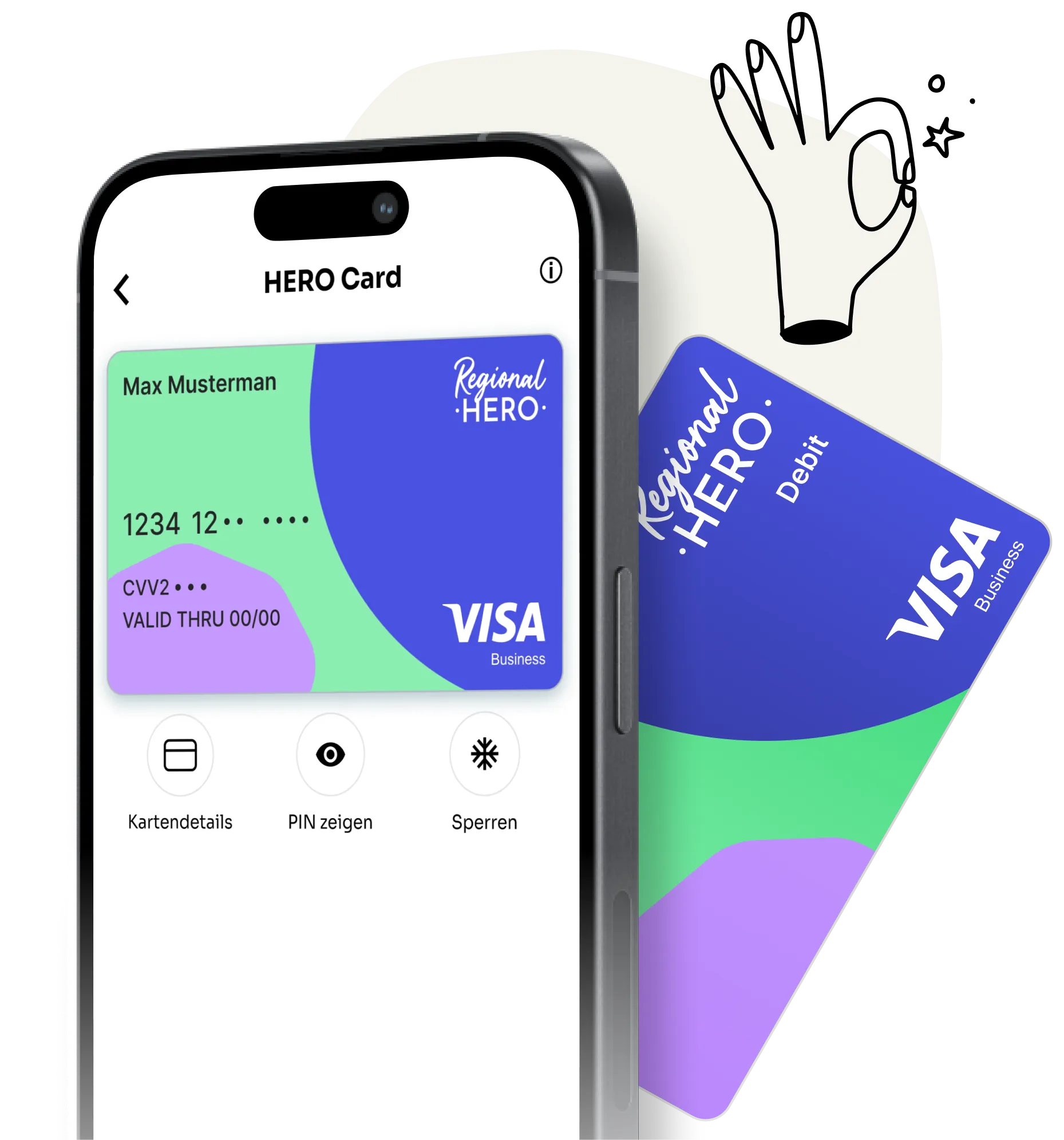
Mit den Stadtgutscheinen verschenkst du bis zu 250 Euro – einlösbar bei lokalen Händlern in der Region. Deine Mitarbeitenden freuen sich, die lokale Wirtschaft profitiert.
Infos zu StadtgutscheinenAre you aware of the impact city portals can have on local economies? They can serve as a bridge connecting small and medium-sized businesses with their local community, thereby contributing to the strengthening of the local economy. But it's not just about the economic aspects. City portals can also help companies specifically support and retain their employees. With the help of tax-free employer subsidies and benefits, employers can positively influence their workforce's lifestyle and satisfaction. By using regional non-cash benefit cards, these advantages can be further maximized. In this guide, you'll gain exciting insights into the diverse possibilities and strategies for optimally utilizing city portals and regional non-cash benefits – both for strengthening the local economy and for strengthening your team.
A city portal is a central digital platform that bundles information, services, and offers from a city or region. For employers, it represents a strategic tool to strengthen their local presence, increase employer attractiveness, and efficiently consolidate services for the workforce, ultimately supporting employee retention and recruitment.
A city portal increases the visibility of employers by presenting them as an integral part of the local economic and social life. Instead of merely being present on specialized job platforms, companies become visible within a broader context of culture, life, and services, which allows for a different approach to target groups.
Digital portals that centralize information and present it in a user-friendly way create significant added value for users. The statistics portal introduced by the Federal Motor Transport Authority, for example, demonstrates how interactive and mobile data processing generates high utility [Kraftfahrt-Bundesamt, 2025]. If a city portal has a similar structure, bundling employer profiles, job offers, and company news, it becomes a primary point of contact for individuals interested in the region. This includes not only active job seekers but also potential future skilled workers, students, or returnees who are generally seeking information about the location. Presence on such a platform positions the company as an attractive and rooted player in the region.
The logical chain here is clear: Since a city portal is perceived as a credible, often municipally supported source of information, a company's presence on this platform leads to a positive image transfer. The company is perceived not only as an employer but as an integral and committed part of the urban community. This strengthens the local brand and builds trust, which is a decisive advantage in the competition for qualified employees.
A city portal plays a crucial role in employee retention and recruitment by transparently showcasing the quality of life and advantages of the location. It serves as a "digital shop window" for the region and helps companies promote not only the job but also the attractive living environment.
The attractiveness of a city center, characterized by gastronomy, cultural offerings, and vibrancy, is a significant factor for residents' satisfaction [Institut für Handelsforschung Köln, 2024]. When an employer actively communicates these location advantages, it increases their attractiveness. A city portal is the ideal medium for this because it bundles precisely this information. Potential applicants from outside the area can thus get a comprehensive picture of life at the new workplace. For existing employees, the easy availability of information about local events, leisure activities, or clubs strengthens their identification with the location and, consequently, their loyalty to the company.
General life satisfaction in German major cities has improved in recent years, making these locations more attractive for skilled workers [Institut für Demoskopie Allensbach / SKL Glücksatlas 2025]. Employers who wish to leverage this positive development can strategically place content via a city portal. For example, if a company sponsors events or employees participate in local initiatives, this can be communicated through the portal. This way, the company is perceived as a caring and committed employer that values the well-being of its workforce even outside the workplace.
Services for employees can be efficiently bundled via a city portal by utilizing the platform as a central interface for local offers and information. Companies can thus communicate exclusive benefits or relevant everyday information directly to their workforce without having to build their own infrastructure for it.
The concept of the "15-minute city," where all essential daily facilities are quickly accessible, is gaining importance and is already more widespread in Germany than assumed [Bundesinstitut für Stadt- und Raumforschung]. A city portal can digitally map these structures. This provides employers with the opportunity to offer their employees genuine added value. The "if-then" scenarios here are diverse: For example, if the portal offers an interactive map with all childcare facilities, then employers can use this as a service for young families in their onboarding process. If the portal contains current public transport timetables or information on local car-sharing providers, then this supports the sustainable mobility of the workforce.
The bundling of services can be done in stages:
This consolidation not only strengthens employee satisfaction but also the local economy, as local service providers' offerings are utilized.
City portals make a significant contribution to location attractiveness as they connect a city's digital and physical advantages and make them accessible to a broad public. They serve as a digital business card, shaping the image of a modern, citizen-friendly, and livable location, from which all local stakeholders benefit.
A study on online city portals in Rhineland-Palatinate has shown that over three quarters of the surveyed citizens believe that such platforms can promote social participation [Bernd Wirtz, 2019]. This desire for participation and better service quality is a key lever for location attractiveness. Since a well-designed city portal fulfills precisely these needs by simplifying administrative processes, enabling citizen dialogue, and bundling local information, it enhances the perceived quality of life. Resident employers directly benefit from this positive overall image of the city, as an attractive location is a decisive argument in the competition for skilled workers.
When a city invests in its digital infrastructure, it signals progress and a future-oriented approach. It becomes easier for companies to attract skilled workers from other regions or abroad if they can refer to a professional city portal that provides all essential information for starting in a new place – from housing searches and registration to leisure and cultural activities. Thus, the city portal is not just a service for citizens, but a fundamental instrument of overall urban marketing.
A city portal promotes digital participation by making information and services easily and centrally accessible to all population groups. It can serve as an integrative tool to break down social and cultural barriers and improve inclusion within the urban community.
Studies show that socio-spatial segregation can exist in German cities, unevenly distributing opportunities for participation [Dr. Johannes Reiter and Team]. A city portal can act as a bridge here. By consolidating information about all city districts, social facilities, counseling centers, and cultural offerings in one place, it enables all citizens, regardless of their place of residence, to gain a comprehensive overview of urban opportunities. This is highly relevant for employers, as an inclusive and well-connected urban society significantly facilitates the integration of new employees, especially those with a migration background.
Cultural diversity is another important characteristic of urban areas [Prof. Dr. Uwe Jun]. A city portal that offers multilingual content or specifically highlights the offerings of intercultural associations and initiatives promotes the participation and identity formation of all cultural groups. If a company recruits internationally, it can use the city portal as a resource to facilitate the arrival and social integration of new employees and their families in their new home. Because the portal serves as an official and trustworthy source, it significantly contributes to all residents feeling part of the city community.
Comparison of Engagement Levels on a City Portal for Employers
Costs vary significantly depending on the city and portal operator. Many portals offer a free basic profile with fundamental information. For advanced features such as prominent job advertisements, multimedia content, or detailed analytics, tiered, paid premium packages are usually offered.
Success can be measured using various key performance indicators (KPIs), often included in premium packages. These include the number of profile views, the click-through rate on linked job advertisements or career pages, and the number of applications demonstrably generated via the portal (referral tracking).
Yes, city portals are particularly valuable for SMEs. As they often lack large marketing budgets, the portal offers them a cost-effective way to significantly increase their local visibility and gain better recognition in the competition for skilled workers against larger companies.
Maintaining up-to-date information is crucial for the profile's credibility and usefulness. Contact details, contact persons, and especially job postings should be regularly reviewed and updated at least quarterly. Outdated information can deter potential applicants and harm the company's image.
Everything you want to know — simply explained.
Everything you want to know — simply explained.
What is the benefit card?
The HERO Card is a digital Mastercard debit card that allows companies to offer tax-free benefits easily and flexibly. Employees thus receive tax-free subsidies for benefits in kind, mobility, food and health. Everything bundled on one card, individually configurable and implemented in a legally secure manner.
Employees simply pay on a daily basis. Locally in your favorite café or nationwide in supermarkets, pharmacies or public transport.
How does that work for companies?
You control everything centrally in the HR portal.
Activate benefits in five minutes. The HERO Card automatically loads the monthly budget. Digital, secure and tax-compliant.
What are the concrete benefits of this for my team?
Up to 50 euros in kind per month
Meal allowance of up to 7.50 euros per working day
Mobility allowance of up to 58 euros per month
Up to 500 euros per year for health and wellbeing
All tax-free. It's all digital. It's all on one card.
How does HR keep track?
All benefits at a glance. No paperwork.
In the HR portal, you control budgets, see workload and manage everything centrally.
Sign in. Adjust. It's done.
This saves you up to 80 percent of administrative time.
Is that really tax-free?
Yes, all benefits are tax-free for employees and are completely legally compliant. Employers must tax some benefits as a lump sum.
The HERO Card uses legally enshrined allowances. Each category is correctly separated for tax purposes and can be managed automatically.
How much does the HERO Card cost?
As part of the employee license, the card costs 1 euro per employee per month plus charges for charging benefits.
For 50 employees with HERO Base, for example, this equates to around 140 euros per month — less than a joint team meal, but with a long-term effect.
How quickly is the HERO Card ready for use?
Ready to go in just a few days.
Setup, onboarding and go-live take a maximum of one week.
No technical hurdles. Without complexity.