Table of contents


Introduce an employer voucher ▶️ Appreciate employees ✓ Save taxes ✓ Strengthen purchasing power ✓ Offer benefits now!
MultiBenefits - HERO CARD
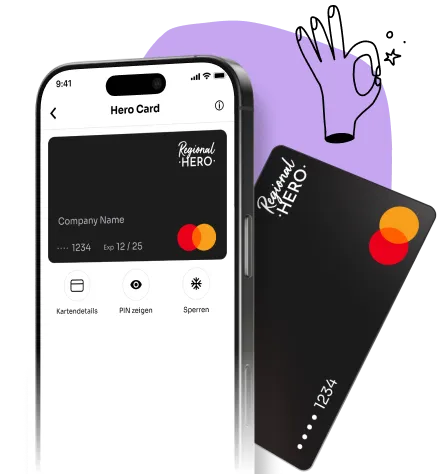
With the HERO Card, individual measures become a strong package, tax-free, digital and can be used anywhere.
HR keeps track of things, employees benefit directly.
Employer vouchers represent a form of benefit in kind that companies can provide to their employees as an additional benefit to their regular salary. These vouchers enable employees to purchase goods or services from specific providers without having to spend their own money. As part of tax treatment, employer vouchers are classified as benefits in kind, which distinguishes them from direct cash payments and gives them a special status.
The legal basis for employer vouchers is enshrined in the Income Tax Act (EStG). According to Section 8 (2) sentence 11 EStG, vouchers and bank cards are considered as benefits in kind provided that they exclusively entitle you to purchase goods or services and meet certain requirements of the Payment Services Supervision Act [Federal Ministry of Finance]. This legal classification is decisive for tax treatment and the associated benefits for employers and employees.
There are various forms of employer vouchers, which differ in their application and flexibility. Earmarked vouchers are limited to specific product categories or services, while open vouchers allow a wider selection. Digital gift cards are becoming increasingly important and offer a modern alternative to conventional paper vouchers. The choice of the appropriate type of voucher depends on the specific needs of the company and employees.
Voucher typeDescriptionScope of useDedicated vouchersLimited to specific products/servicesSpecific employee promotionOpen voucherWide range of redemption optionsFlexible employee rewardsDigital voucher cardsElectronic form, often available as an appModern companies, younger workforce
A key aspect of implementing employer vouchers is compliance with legal exemptions. Benefits in kind of up to 50 euros per month can currently be granted free of tax and social security contributions. This exemption is valid per employee and month, with excess of this allowance resulting in the entire amount becoming subject to tax and social security contributions [Haufe]. It is therefore of great importance for companies to pay close attention to this limit in order to make optimal use of the tax advantages.
The introduction of employer vouchers requires careful planning and implementation. Companies must not only take into account the legal framework, but also establish internal processes for managing and issuing vouchers. Aspects such as the selection of suitable providers, the definition of spending criteria and integration into existing compensation systems play an important role. Transparent communication with employees about the possibilities and limits of using vouchers contributes significantly to the acceptance and success of the system.
The implementation of employer vouchers offers attractive tax benefits for both companies and employees. By cleverly using these benefits in kind, the net remuneration of employees can be increased without the wage costs for employers increasing proportionally. This win-win situation results from the special tax treatment of benefits in kind compared to cash wage payments.
By issuing vouchers, companies have the opportunity to optimize non-wage labour costs. Since benefits in kind up to the monthly allowance of 50 euros per employee are not subject to payroll tax or social security contributions, the total costs are reduced compared to an equivalent salary increase. This savings can be reinvested to further expand the range of employee benefits or to pursue other operational goals.
From an employee's point of view, employer vouchers result in noticeable financial benefits. The value of the vouchers remains exempt from income tax up to the exemption limit, which effectively increases the purchasing power of employees. In contrast to a salary increase, in which a significant portion would be absorbed by taxes and social security contributions, the full value of the vouchers reaches the recipients. This enables employees to improve their standard of living or make additional purchases without burdening disposable income.
Aspect caseWage employer vouchertax liabilityup to 50€/month tax-freeSocial security requirementYesNo (up to exemption limit) Net benefit for employee ingraiser
Tax optimization through employer vouchers also extends to special occasions and situations. For example, companies can provide additional tax-free benefits in kind for special events such as anniversaries or the birth of a child. This option allows employees to provide targeted support in important phases of life without leading to an increased tax burden [Federal Ministry of Finance].
Another advantage is the flexibility in designing compensation packages. By integrating vouchers into their salary model, companies can create an attractive mix of monetary and non-monetary benefits. This not only contributes to employee retention, but can also be a decisive factor in attracting new talent. The opportunity to receive part of their salary in the form of tax-optimised benefits in kind is seen by many applicants as an additional incentive.
However, care should be taken when implementing employer vouchers so as not to unintentionally create tax disadvantages. Careful documentation and compliance with legal requirements are essential. Companies should ensure that the vouchers are not used as a substitute for regular salary, as this could be regarded as an abuse of design. Instead, they should be granted as an additional benefit to the salary owed anyway in order to take advantage of the tax benefits in a legally secure manner.
The diverse uses of employer vouchers give companies creative ways to motivate and retain their employees. From regular monthly benefits to special events such as company anniversaries or exceptional benefits — the flexibility of these benefits in kind allows them to be tailored to the corporate culture and the individual needs of the workforce.
One innovative approach is to integrate employer vouchers into holistic health management. Vouchers for gyms, spa services or a healthy diet not only promote the well-being of employees, but can also help to reduce sick days. This preventive strategy pays off in the long term through increased productivity and job satisfaction [Institute for Occupational Health Promotion].
The optimal use of employer vouchers requires a well-thought-out strategy that takes into account both the legal framework and specific corporate goals. One option is to offer the vouchers as part of a cafeteria system, where employees can choose from a pool of benefits. This approach increases the appreciation of performance, as employees decide for themselves which form of funding makes the most sense for them.
When choosing voucher partners, companies should pay attention to a wide range of redemption options in order to meet the different preferences of their employees. Cooperation with local businesses and service providers can not only strengthen the regional economy, but also promote the company's image as a responsible employer in the community.
Field of application BenefitsMonthly fundingRegular motivationCompliance with exemption limitsPerformance premiumsTargeted recognitionDefine clear performance criteriaHealth promotionLong-term employee loyaltyCoordination with occupational health management
One often overlooked but effective way to use employer vouchers is in the area of continuing education and personal development. Vouchers for specialist books, online courses or seminars not only support the professional qualifications of employees, but also signal the company's interest in their long-term development. This investment in human capital can pay off in the form of innovations and improved work processes.
When implementing employer vouchers, it is crucial to clearly communicate and comply with the limits of the system. The monthly allowance of 50 euros per employee should not be exceeded in order to maintain the tax advantage. At the same time, it must be ensured that the vouchers are not perceived as a substitute for regular salary increases. Transparent communication about the additional nature of this service is essential to avoid misunderstandings and potential dissatisfaction [Federal Association of Human Resources Managers].
In order to increase the acceptance and appreciation of vouchers, companies can conduct regular feedback rounds or surveys. This makes it possible to continuously adapt the offer to the changing needs and preferences of the workforce. Such a participatory approach not only strengthens the bond between companies and employees, but can also lead to creative ideas for the further development of the voucher system.
The introduction of an employer voucher system requires careful planning and structured implementation. The process begins with a comprehensive needs analysis, which determines the specific goals of the company and the preferences of employees. This analysis forms the basis for a tailor-made voucher system that takes into account both the corporate culture and the individual needs of the workforce.
The needs analysis is followed by the design phase, in which the specific model of the voucher system is developed. Decisions are made about the type of vouchers, their value and the frequency of issue. At the same time, the legal and tax framework must be closely examined to ensure that the system complies with applicable laws [Institute for Labour Market and Vocational Research].
Technical implementation is a critical step. It must be decided whether a digital system for managing and issuing vouchers is introduced or whether an analog process is preferred. Digital solutions offer the advantage of easier management and better traceability. However, they often require integration into existing HR systems and training of responsible employees.
In parallel with the technical implementation, clear processes and responsibilities should be defined. This includes defining responsibilities for issuing vouchers, accounting and communication with employees. Smooth integration into existing processes is crucial for the long-term success of the system.
Implementation phase core tasksParticipating DepartmentsPlanning Requirements Analysis, ConceptionHR, Management ImplementationTechnical Integration, Process DefinitionIT, HR, FinanceIntroductionTraining, CommunicationHR, Internal Communication
Internal communication is an often underestimated aspect of implementation. Transparent and comprehensive information for employees about the new voucher system is essential. This includes not only explaining how it works and benefits, but also addressing any potential concerns or questions. Training for managers can help to effectively communicate the system and promote positive reception in all areas of the company.
The pilot phase represents a decisive step in implementation. Here, the voucher system is initially introduced on a limited basis, for example in a department or a location. This phase makes it possible to gain experience, identify potential problems early on and make adjustments before the system is rolled out across the company. Regular feedback rounds with participants in the pilot phase provide valuable insights for optimization [German Society for Personnel Management].
After the successful pilot phase and the resulting adjustments, the voucher system can be gradually introduced throughout the company. It is advisable to set a clear schedule and plan sufficient resources for support and aftercare. Continuous evaluation and adjustment of the system should be firmly planned in order to be able to react flexibly to changing needs or legal framework conditions.
The sustainability of the employer voucher system depends largely on its continuous maintenance and development. Regular analyses of usage data, employee surveys and market observations help to keep the offer attractive and relevant at all times. An agile approach that enables rapid adjustments can help ensure that the voucher system remains a valued part of corporate culture in the long term and fulfills its purpose as an instrument of employee retention and motivation.
The legally compliant handling of employer vouchers requires a profound understanding of the current legal situation and meticulous documentation of all processes. Companies must ensure that their voucher practice not only meets tax requirements, but also takes employment and data protection aspects into account. A thorough review of compliance guidelines is essential to minimize potential risks and take full advantage of the voucher system.
A central aspect of compliance is the correct tax treatment of vouchers. Meticulous care must be taken to ensure that the monthly allowance of 50 euros per employee is not exceeded. The tax authorities check these benefits in kind particularly closely, which is why complete documentation of the issuance and redemption of vouchers is essential. Companies should implement a system that automatically issues warnings when the exemption limit is reached in order to avoid unintentional overruns [Federal Fiscal Court].
Data protection plays an important role in managing employer vouchers. The collection and processing of personal data in connection with issuing vouchers must comply with the requirements of the General Data Protection Regulation (GDPR). This includes obtaining necessary consent, setting deletion periods for data that is no longer required and ensuring data security when storing and transmitting information.
Transparent communication with employees about data processing within the framework of the voucher system is not only required by law, but also promotes trust in the program. Companies should create clear guidelines for data use and make them available to all parties involved. Regular training for employees responsible for managing vouchers can help prevent data protection breaches and ensure a high level of compliance.
Compliance aspect requirementsTax lawCompliance with exemption limitsAutomated monitoring, monthly auditData protection GDPR compliance consents, deletion concept, security measuresLabor lawEqual treatmentTransparent award criteria, works agreement
The employment law dimension of employer vouchers should not be underestimated. In order to comply with the principle of equal treatment, companies must ensure that all employees have equal access to vouchers and that the award criteria are transparent and fair. A works agreement, which is drawn up in cooperation with the works council, can help to avoid potential conflicts and increase acceptance of the system [Federal Labour Court].
The documentation of the issuance and redemption of vouchers is not only relevant from a tax law perspective, but also serves as proof of compliance with internal guidelines and external regulations. A digital management system can significantly facilitate traceability while minimizing the risk of human error. This system should be regularly reviewed for effectiveness and compliance and adjusted as necessary.
An often overlooked component of compliance is the regular review and update of voucher partners. Companies must ensure that the providers with whom the vouchers can be redeemed comply with the company's ethical and legal standards. This also includes examining whether the goods and services offered continue to be considered as benefits in kind within the meaning of tax law and could not be interpreted as cash compensation, for example.
Setting up an internal control system for the voucher program can help identify and address compliance risks at an early stage. Regular audits, both internal and by external auditors, help ensure compliance with all relevant regulations and uncover potential weaknesses in the system. This proactive approach enables companies to continuously optimize their voucher system and make it legally secure.
The introduction of employer vouchers is a strategic opportunity for companies to increase employee satisfaction while taking advantage of tax benefits. As a tax-free payment in kind, they enable employees to receive additional, tax-free remuneration of up to 50 euros per month , which directly increases net purchasing power.
An employer voucher is a benefit in kind that is not issued as cash pay, but in the form of a voucher or a credit card. In order for it to remain exempt from tax and social security contributions, it must meet the criteria of Section 8 (2) sentence 11 EStG. This means that the voucher may only entitle you to purchase goods or services and must meet the criteria of the Payment Services Supervision Act (ZAG). Such vouchers are an effective tool for employee loyalty, as they signal appreciation and significantly reduce the financial burden on employees. Correct implementation is crucial to comply with legal requirements and achieve full benefits for employers and employees.
Studies show that many companies are not yet fully exploiting the potential of these benefits in kind. [IPSOS Germany] However, a well-thought-out strategy for using employee vouchers can not only improve team motivation, but also strengthen the local economy when regional voucher systems are used. [City of Waiblingen] Because these benefits are not subject to normal income tax deduction, this results in a direct added value, which would be reduced by taxes in the event of a classic salary increase.
The central advantage of the employer voucher is the exemption from tax and social security contributions up to a monthly allowance of 50 euros. This allowance is granted in addition to the salary already owed and increases the net income of employees without causing high non-wage costs for the company.
It is crucial to understand that this is an exemption and not an allowance. If the value of the voucher is exceeded by even one cent in one month, the entire amount is subject to tax and social security contributions. [Finanztip.de editorial team] Careful documentation in the payroll account is therefore essential in order to be legally secure during an audit by the tax office. The monthly allowance cannot be transferred to other months or saved; it expires at the end of the month if it has not been used.
In addition to the monthly 50-euro payment in kind, companies can also provide their employees with tax-free benefits in kind of up to 60 euros grant. This allowance scheme is independent of the monthly allowance and can be used several times a year. When these various options are combined, companies can significantly increase the annual tax-free allowance per employee, which increases attractiveness as an employer.
Comparison: €50 salary increase vs. €50 in kind (voucher) Criterium€50 gross salary increase (estimated) €50 employer voucherGross for employee+ €50.00 €/50.00 € (as a tangible asset)Deductions (tax, SV) for employeesapprox. - 25.00 €- 0.00€Net benefit for employees*INCA. + 25.00+ €50.00 €Employer costs (including SV share)approx. 60.00 €50.00 €conclusionHigh tax burden for both sidesMaximum net advantage, no additional wage costs
Not every voucher automatically qualifies as a tax-free payment in kind. Since a legislative amendment, gift cards must meet the criteria of the Payment Services Supervision Act (ZAG) in order to be classified as a benefit in kind and not as a taxable cash payment. This ensures that the vouchers cannot be used like cash.
The tax authorities accept vouchers that meet one of the following conditions:
Since these criteria must be met, general vouchers from large online marketplaces, which cover a wide range of goods and function virtually like cash, are generally not permitted as a tax-free payment in kind. Vouchers that have a cash payout or exchange function are also explicitly excluded. Choosing the right type of voucher is therefore a critical step to avoid tax disadvantages.
The introduction of an employer voucher system requires a structured approach to ensure legal compliance and smooth processing. If the process is carefully planned, the administrative effort is manageable and the benefits for all parties involved are maximized.
The implementation can be divided into the following steps:
Despite the obvious benefits, many companies do not fully use the monthly benefit allowance in kind. A study by Ipsos shows that significant potential for employee retention and motivation remains untapped because companies either do not know the options or shy away from administrative work. [Haufe Verlag]
A major reason for this is the complexity of tax regulations. Strict compliance with the 50-euro exemption limit and the ZAG criteria requires accuracy, which can deter small and medium-sized companies without a large HR department in particular. The fear of having to make back payments during a tax audit often means that people prefer to forego this form of benefit. However, modern digital solutions today offer simple and legally compliant administration that minimizes effort.
Another aspect is the lack of awareness of added economic value. A study by Prognos AG shows that a wider use of benefits in kind, such as meal vouchers, could unlock billions in potential for the German economy, as purchasing power flows directly into consumption. [Gwendolyn Huschik] Companies that do not use these instruments not only miss out on an opportunity to position themselves as an attractive employer, but also forego an effective means of increasing their employees' net wages at no additional cost.
In times of a shortage of skilled workers, employer vouchers are more than just a financial bonus; they are a strategic instrument in the “War for Talents.” They signal a modern corporate culture that goes beyond mere salary and focuses on employee well-being. This form of appreciation can make the decisive difference in attracting and retaining qualified specialists.
The Federal Association of German Employer Associations (BDA) supports strengthening voucher systems as a targeted funding instrument. [Federal Association of German Employers' Associations] They enable companies to respond flexibly to the needs of their workforce. Younger generations, for example, value flexible benefits such as mobility subsidies (e.g. for the Deutschlandticket) or vouchers for sustainable products, while other employees may prefer a fuel voucher or a subsidy for lunch. [Lofino]
By implementing a diverse benefit portfolio, in which vouchers represent an important component, companies can position themselves as caring and employee-oriented. Because these benefits can be felt directly in the everyday lives of employees, their effect is often more lasting than a one-time bonus payment or a slight salary increase. They strengthen the emotional bond with the company and contribute to creating a positive and motivating working environment.
No, the 50-euro exemption limit is strictly monthly and cannot be saved. Any unused amount expires at the end of the month and cannot be carried over to the following month. It is therefore crucial to issue vouchers regularly and punctually in order to take full advantage of the benefits.
Yes, the tax-free payment in kind of up to 50 euros per month can be granted to all workers, including mini-jobbers, part-time workers and trainees. The allowance is paid in addition to the salary and has no influence on the minimality limit for mini-jobs.
The remaining balance on a gift card is usually retained by the employee and can be used up to the expiry date of the card or voucher. There is no cash payment. The exact regulations depend on the conditions of the respective voucher provider.
Yes, companies can combine various tax-free or lump-sum taxed benefits. For example, the monthly 50-euro payment in kind can be granted in addition to a subsidy for health courses (up to 600 €/year) or a tax-free subsidy for the Deutschlandticket, provided that the respective requirements are met. [Tobias Christ]
author
Everything you want to know — simply explained.
Everything you want to know — simply explained.
What is the benefit card?
The HERO Card is a digital Mastercard debit card that allows companies to offer tax-free benefits easily and flexibly. Employees thus receive tax-free subsidies for benefits in kind, mobility, food and health. Everything bundled on one card, individually configurable and implemented in a legally secure manner.
Employees simply pay on a daily basis. Locally in your favorite café or nationwide in supermarkets, pharmacies or public transport.
How does that work for companies?
You control everything centrally in the HR portal.
Activate benefits in five minutes. The HERO Card automatically loads the monthly budget. Digital, secure and tax-compliant.
What are the concrete benefits of this for my team?
Up to 50 euros in kind per month
Meal allowance of up to 7.50 euros per working day
Mobility allowance of up to 58 euros per month
Up to 500 euros per year for health and wellbeing
All tax-free. It's all digital. It's all on one card.
How does HR keep track?
All benefits at a glance. No paperwork.
In the HR portal, you control budgets, see workload and manage everything centrally.
Sign in. Adjust. It's done.
This saves you up to 80 percent of administrative time.
Is that really tax-free?
Yes, all benefits are tax-free for employees and are completely legally compliant. Employers must tax some benefits as a lump sum.
The HERO Card uses legally enshrined allowances. Each category is correctly separated for tax purposes and can be managed automatically.
How much does the HERO Card cost?
As part of the employee license, the card costs 1 euro per employee per month plus charges for charging benefits.
For 50 employees with HERO Base, for example, this equates to around 140 euros per month — less than a joint team meal, but with a long-term effect.
How quickly is the HERO Card ready for use?
Ready to go in just a few days.
Setup, onboarding and go-live take a maximum of one week.
No technical hurdles. Without complexity.